
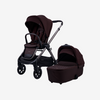
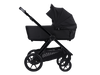




The BabaBing! team has been designing award-winning products for over 20 years, built on the belief that great quality doesn’t have to cost a fortune. Our ethos is simple: create affordable, practical parenting products that really work. Visit Bababing to find out more.

When shopping for a pushchair, suspension is usually a top priority. Parents want a smooth ride that allows their baby to sleep through bumps and uneven pavements. However, the design of that suspension matters just as much as its performance.
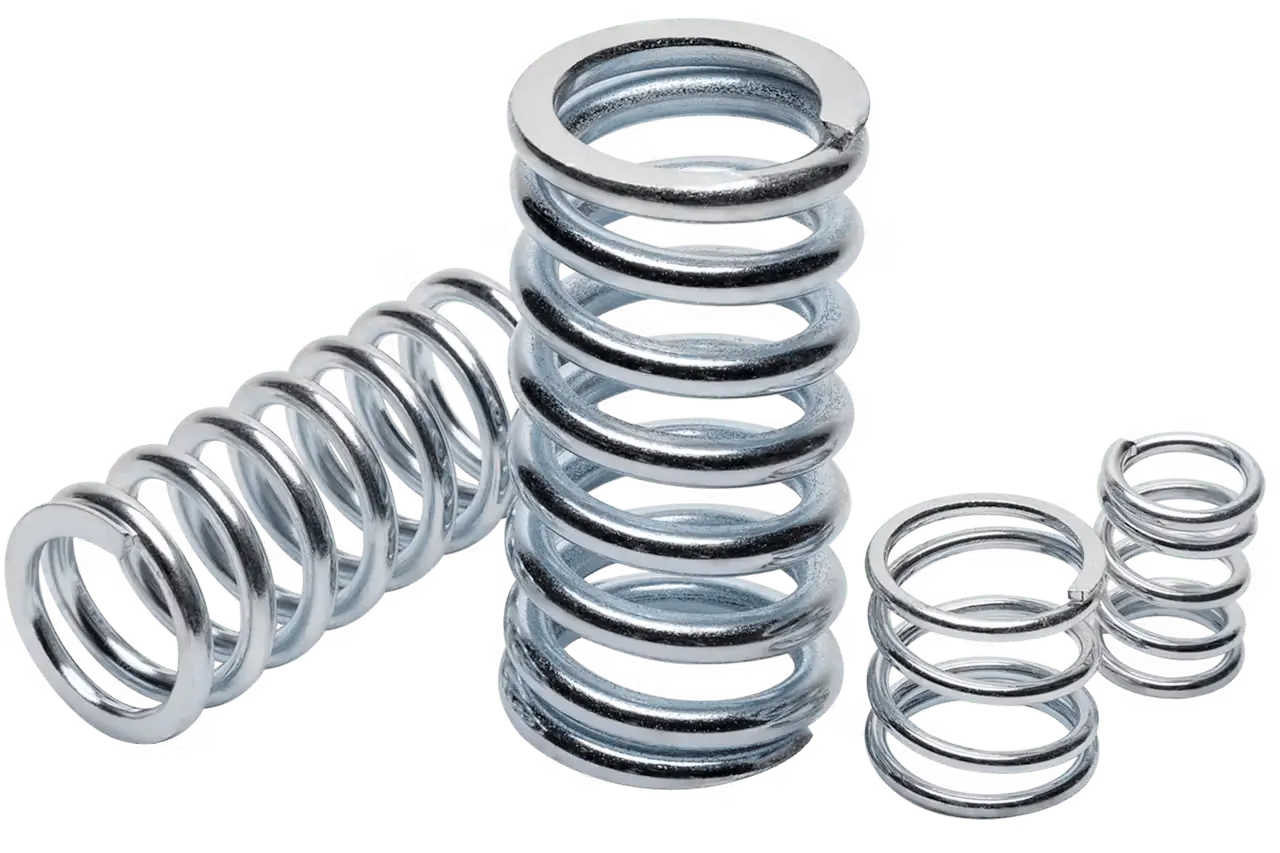
Many modern pushchairs feature exposed rear suspension springs. While they offer a rugged, mechanical aesthetic, they come with significant disadvantages compared to encased suspension systems. Here is why choosing encased springs is often the smarter, safer choice for your family.
Pushchair - Major Safety Hazards for Small Fingers
The most critical disadvantage of exposed springs is the risk of injury.
Pinch Points:
As the pushchair moves over bumps, the coils of an exposed spring compress and expand. This creates a powerful, moving pinch point.
Curious Toddlers:
Toddlers walking alongside the pushchair or exploring while it is parked can easily slip their fingers into these gaps.
Severe Injuries:
If a spring compresses on a child's finger, it can cause severe pinching, bruising, or even entrapment.
Encased springs completely eliminate this hazard. A solid plastic or rubber housing seals the coils away, ensuring little fingers can never make contact with the moving parts.
2. Pushchair Exposure to Dirt, Grime, and Weather
Exposed rear springs are positioned low to the ground, leaving them completely vulnerable to the elements.
Debris Buildup:
Mud, sand, grit, and autumn leaves easily get trapped inside open coils.
Corrosion:
Direct exposure to rain, puddles, and winter road salt accelerates rust and corrosion.
Performance Loss:
Over time, trapped debris and rust restrict the spring's movement, making the suspension stiff and ruining the smooth ride you bought it for.
Encased suspension acts as a protective shield. It keeps water, mud, and road grit away from the mechanical parts, preserving the pushchair's performance for years.
3. High Maintenance and Cleaning Difficulties with a Pushchair
Keeping a pushchair clean is hard enough without having to detail mechanical parts.
Tedious Cleaning:
Cleaning mud out from between tight, oily spring coils requires brushes, rags, and significant effort.
Frequent Lubrication:
Exposed springs require regular applications of silicone spray to prevent squeaking and rust.
Attracting more dirt:
Fresh lubricant on an exposed spring act like a magnet for dust and hair, creating a thick grime that is difficult to remove.
Because encased springs are sealed, they require virtually zero maintenance. You can simply wipe down the exterior housing with a damp cloth.
4. Accelerated Wear and Tear on a Pushchair
Exposed components simply do not last as long as protected ones.
Friction damage:
Grit trapped between the coils grinds against the metal every time the pushchair hits a bump, wearing the material down.
Degraded lifespan:
Constant exposure to moisture weakens the steel, leading to a higher risk of the spring snapping or losing its tension prematurely.
Encased systems ensure the lubrication stays inside and the destructive elements stay out, drastically extending the overall lifespan of the pushchair.
The Verdict
Exposed rear suspension springs might give a pushchair a sporty, industrial look, but the practical downsides are hard to ignore. They introduce safety risks for young children, demand frequent maintenance, and are highly susceptible to weather damage.
For parents seeking longevity, ease of use, and ultimate peace of mind, a pushchair with encased suspension is undoubtedly the superior choice.